
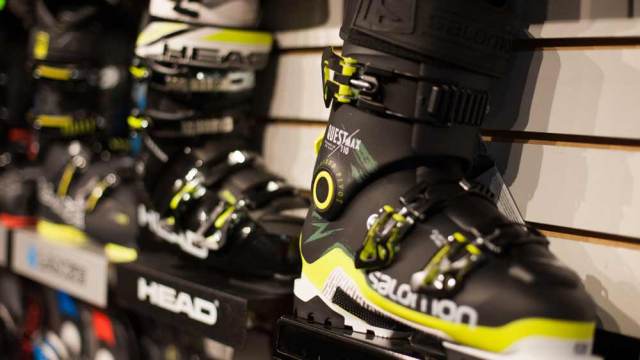
For new skiers, choosing gear can be tricky. There’s a ton of options to choose from, and you want gear you won’t outgrow (or out-ski).
In this series of guides, I’m going to break your basic ski kit down into the most common components (skis, bindings, boots, pants, jacket, helmet, and knick knacks), and help relieve the analysis paralysis by giving a single recommendation for each category.
My recommendation is by no means the end-all-be-all of gear, nor is it the best for every skier, everywhere. These are just great options for getting started with your own ski gear.
The first piece of gear I’m going to cover is what I consider to be the most important piece of ski gear you will own: boots.
I know plenty of hard-charging skiers that travel to ski, but don’t want the trouble of taking their skis with them. So they bring just their boots with them on the flight, rent skis once they get in country, then shred everything on those rental skis.
Your boots can make the difference between a rad day on the hill and a nearly unbearable one. With that in mind, here’s my pick for the first pair of boots you buy:
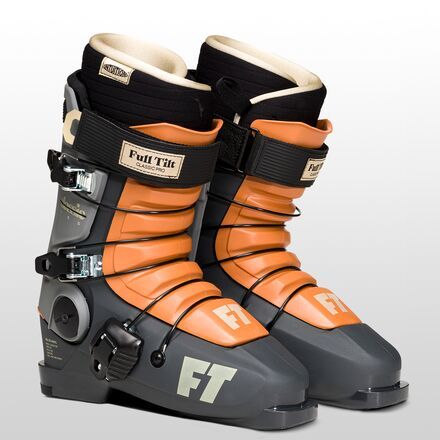
Full Tilt boots are my top choice for a first pair of boots because:
- They’re affordable
- They’re comfortable
- They’re customizable
First, you’re probably buying boots because you’d like to save on rental costs. That plan doesn’t work real well if it’s going to take fifty years for the boots you bought to pay for themselves in skipped rental fees.
Full Tilt boots come at a great price point, and they’ll last long enough to recover that cost.
Second, all Full Tilt boots come with Intuition liners. Intuition liners are heat moldable and warm. I have Intuition liners in my ski boots. They’re some of the most comfortable liners on the market.
Comfort is important, especially for beginners. You’re going to spend a lot more time going slow than getting your hair blown back when you start, and you want your boots to be comfortable when you’re spending hours just falling down and getting up.
Lastly, you can customize the flex of any Full Tilt Boot by changing the tongue.
When you buy your first pair of boots, you’ll most likely get into something a little softer flexing (most ski boots are rated from 60-130, with 130 being the stiffest. Full Tilt Boots rate from 1-10, with 10 being the stiffest).
Once you improve your skiing, though, chances are you’re going to want something a little more burly. A new tongue to increase the stiffness of a pair of Full Tilt Boots will cost you about fifty bucks.
This is my only word of caution about Full Tilt Boots: some models are equipped with plastic buckles. This can cause durability issues.
I recommend trying the Classic Pro and Drop Kick models. They’re fitted with aluminum buckles that will hold up much better, and they cost about the same as other Full Tilt Boots. So you’ll get solid value out of these boots.
You’ll notice that I didn’t mention performance here. Full Tilt Boots have all the performance you’ll need in your first years as a skier and beyond. There are a lot of professional skiers who ride Full Tilt Boots, and would argue that they offer plenty of performance for any skier.
That’s far less than the price of new boots.
Eventually, you’ll need new boots. Once you’re an accomplished skier, you’ll have a better idea of how you like your boots to fit and feel on snow. A race boot or traditional two-piece freeride boot might be best for your style of skiing.
For starting out though, it’s tough to beat the price, comfort, and customization options of Full Tilt Boots.
 The Casual Skier


Pingback: New Girl/Guy Gear Guide: Ski Pants – The Casual Skier
Pingback: The Best Ski Boots Under $500 – The Casual Skier